Understanding the science behind carpet stains is crucial for effective removal and maintaining the longevity of your carpets. Here’s an in-depth look at how different types of stains interact with carpet fibers and the best methods to tackle them.
🧪 Understanding Carpet Stains: The Science Behind the Spots
Carpet stains result from various substances interacting with carpet fibers, often leading to chemical bonds that make removal challenging. The nature of the stain—its chemical composition and how it binds to fibers—determines the most effective cleaning approach.
1. Pigmented Stains (e.g., Wine, Ink, Coffee)
These stains contain strong pigments that can deeply penetrate and bind to carpet fibers. For instance, tannins in red wine can form tight bonds, making them particularly stubborn. Effective removal often requires agents that can break these bonds without damaging the carpet. arlingtoncarpetcleaningva
2. Protein-Based Stains (e.g., Blood, Dairy, Sweat)
Protein stains can coagulate when exposed to heat, setting them permanently into the fibers. It’s essential to use cold water and enzymatic cleaners that break down proteins without causing coagulation.
3. Oil-Based Stains (e.g., Grease, Makeup)
These stains repel water and adhere strongly to fibers. Solvents or surfactants are necessary to emulsify and lift these stains effectively. Arlington Carpet Cleaning
4. Chemical Reactions
Some substances, like acidic drinks, can chemically react with carpet fibers, leading to discoloration. Understanding these reactions helps in selecting the right neutralizing agents for treatment.
🧹 Effective Stain Removal Techniques
1. Immediate Blotting
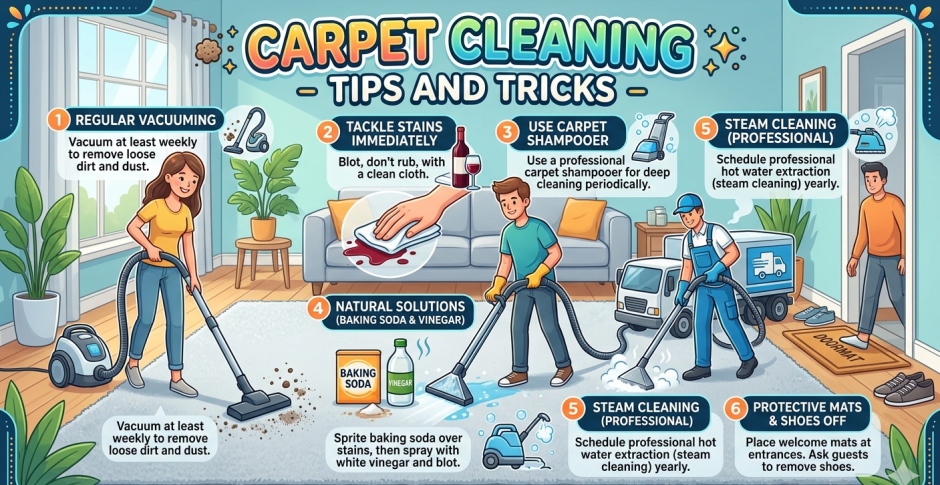
Act quickly by blotting spills with a clean, white cloth to prevent the stain from setting. Avoid rubbing, which can push the stain deeper into the fibers.
2. Enzyme Cleaners
These bio-based cleaners use specific enzymes to break down organic stains like pet urine, blood, and food spills. They are particularly effective for protein-based stains. thespruce.com
3. pH-Balanced Solutions
Matching the pH level of the cleaning solution to the stain type ensures effective neutralization. For example, acidic stains may require alkaline cleaners to balance and remove the stain.
4. Steam Cleaning
Utilizing heat and pressure, steam cleaning can dissolve and extract deep-seated dirt and stains, sanitizing the carpet effectively. Hydra Clean LLC
🧼 DIY Carpet Cleaning Solutions
For general stains, a homemade solution can be effective:
- All-Purpose Cleaner: Mix equal parts water and white vinegar with a small amount of dish soap. Apply to the stain, blot, and then sprinkle baking soda over the area. Once dry, vacuum the residue. Better Homes & Gardens
- Hydrogen Peroxide Mix: Combine one cup of baking soda, half a cup of hydrogen peroxide, and half a cup of dish soap. Apply the paste to the stain, let it sit, then blot and rinse. The US Sun
🧑🔬 When to Seek Professional Help
If stains persist despite your efforts, it may be time to consult professional carpet cleaners. They have specialized equipment and expertise to handle stubborn stains effectively.
Understanding the chemistry behind carpet stains and employing the right techniques ensures effective removal and prolongs the life of your carpets.